
In today’s fast-paced industrial landscape, efficiency and reliability are everything. Whether it’s a manufacturing facility, a construction site, or a heavy machinery workshop, downtime is one of the biggest enemies of productivity. Every hour lost to equipment malfunction translates into revenue loss, delayed projects, and frustrated clients. One of the most effective ways to combat this issue is through the consistent use of an industrial lubricant. Far from being just another maintenance product, lubricants play a crucial role in keeping machines operating at peak performance, reducing wear and tear, and extending equipment life.
This article dives into why industrial lubricants are essential for efficiency, how they minimize downtime, and the hidden benefits they provide that many businesses overlook.
Why Industrial Lubricants Are Critical for Heavy Machinery
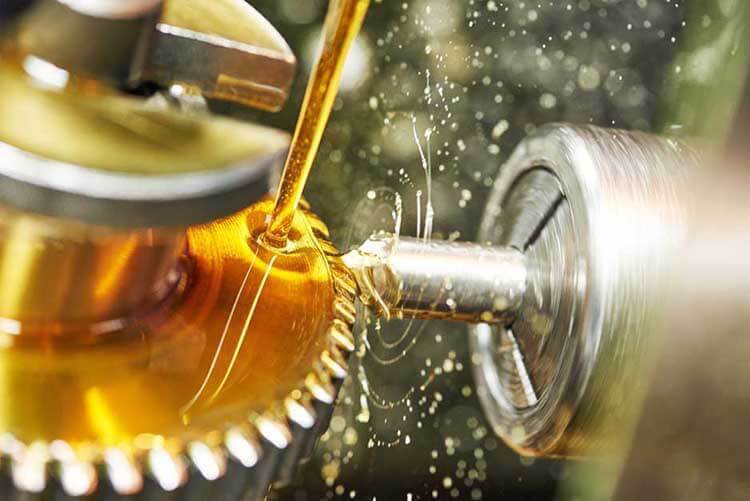
At their core, lubricants reduce friction between moving parts. When metal rubs against metal without a proper layer of protection, the resulting heat, wear, and stress can lead to catastrophic failures. By applying the right industrial lubricant, operators create a protective film that reduces friction, dissipates heat, and minimizes direct surface-to-surface contact.
Without lubrication, machines not only wear out faster but also consume more energy. Increased friction means engines, gears, and other components must work harder to achieve the same output, which drives up fuel or electricity costs. Over time, what may seem like a minor maintenance detail can become a major financial burden.
Reducing Downtime Through Preventive Maintenance
One of the biggest advantages of industrial lubricants is their role in preventive maintenance. Instead of waiting for equipment to fail and scrambling to perform emergency repairs, businesses can stay ahead by integrating lubrication schedules into their regular maintenance routines.
Downtime caused by avoidable issues such as rust, seized bolts, or overheated bearings can often be prevented with the right application of a lubricant. A penetrating oil, for instance, can work its way into tight spaces, loosening corroded or stuck components and saving valuable hours of disassembly and repair. By reducing unexpected breakdowns, lubricants ensure that operations continue smoothly, keeping productivity levels high and repair costs low.
Energy Efficiency and Cost Savings
Efficiency doesn’t just mean fewer breakdowns—it also means lower energy consumption. Proper lubrication can dramatically reduce the energy required to operate heavy machinery. For example, an engine running with insufficient lubrication must work harder, leading to higher fuel consumption. Similarly, conveyor belts, gear systems, and hydraulic machines all run smoother and faster when adequately lubricated.
Over time, this adds up to significant cost savings. Businesses that prioritize lubrication not only save on direct repair costs but also lower their energy bills and extend the life of their expensive equipment.
Industrial Lubricants and Corrosion Prevention
In industrial settings, exposure to moisture, chemicals, and environmental contaminants is inevitable. Corrosion and rust are silent killers of machinery, often going unnoticed until it’s too late. This is where lubricants pull double duty—not only reducing friction but also protecting metal surfaces from the damaging effects of oxidation.
When paired with a rust remover, lubricants ensure that equipment remains free of harmful buildup. Rust weakens metal, reduces structural integrity, and leads to equipment breakdown. A protective lubrication film provides a barrier against these threats, significantly extending the operational life of machines.
Enhancing Equipment Longevity
Heavy machinery represents a major investment. Replacing engines, gears, or hydraulic systems isn’t just costly—it can also halt production for days or even weeks. By regularly applying industrial lubricants, operators can extend the life of vital equipment components.
Well-lubricated machinery runs cooler, experiences less wear, and maintains tighter tolerances. This doesn’t just prevent failures; it also preserves the overall performance of the machine, ensuring it continues to deliver consistent results over time.
The Role of Penetrating Oils in Maintenance
Not all lubricants are the same, and each serves a unique purpose. Among them, penetrating oil is a powerful tool in industrial maintenance. Its ability to seep into the tiniest spaces makes it invaluable for loosening rusted bolts, freeing up stuck bearings, and displacing moisture.
Penetrating oils also serve as short-term lubricants, reducing friction in places where thicker lubricants cannot reach. In many cases, they act as the first line of defense in emergency situations, giving workers a chance to restore functionality quickly and efficiently before long-term solutions are applied.
Environmental and Safety Considerations
Modern industries also have to balance efficiency with environmental responsibility. High-quality industrial lubricants are often designed to minimize environmental impact by reducing the frequency of equipment replacement and waste. Moreover, well-lubricated machinery is safer to operate. Reduced friction means fewer overheating risks, less likelihood of sudden mechanical failure, and a safer environment for workers.
Ignoring lubrication not only compromises productivity but also introduces safety hazards that could lead to accidents and injuries. By making lubrication a priority, businesses create safer workplaces while protecting their bottom line.
Creating a Lubrication Strategy
To maximize the benefits of industrial lubricants, businesses need more than just a reactive approach. Creating a comprehensive lubrication strategy ensures long-term reliability. Such a strategy typically includes:
- Regular inspections to identify areas needing lubrication.
- Scheduled lubrication cycles aligned with operational intensity.
- Using the right lubricant for specific applications (e.g., grease, penetrating oil, or rust-prevention lubricants).
- Employee training to ensure proper application and awareness of lubrication needs.
By making lubrication a cornerstone of preventive maintenance, businesses can consistently reduce downtime and boost overall efficiency.
In the competitive world of heavy industry, small details can make a massive difference. Lubrication may seem like a simple maintenance step, but its impact on efficiency, cost savings, safety, and equipment longevity cannot be overstated. From reducing friction to preventing corrosion, from saving energy to minimizing downtime, industrial lubricants are the unsung heroes of modern machinery maintenance.
Whether it’s applying a protective layer to bearings or using penetrating oil to free a stubborn bolt, these solutions help industries keep their machines running at peak performance. For businesses looking to improve productivity and safeguard their investments, prioritizing lubrication isn’t just an option—it’s a necessity.